Physical Address
304 North Cardinal St.
Dorchester Center, MA 02124
Physical Address
304 North Cardinal St.
Dorchester Center, MA 02124

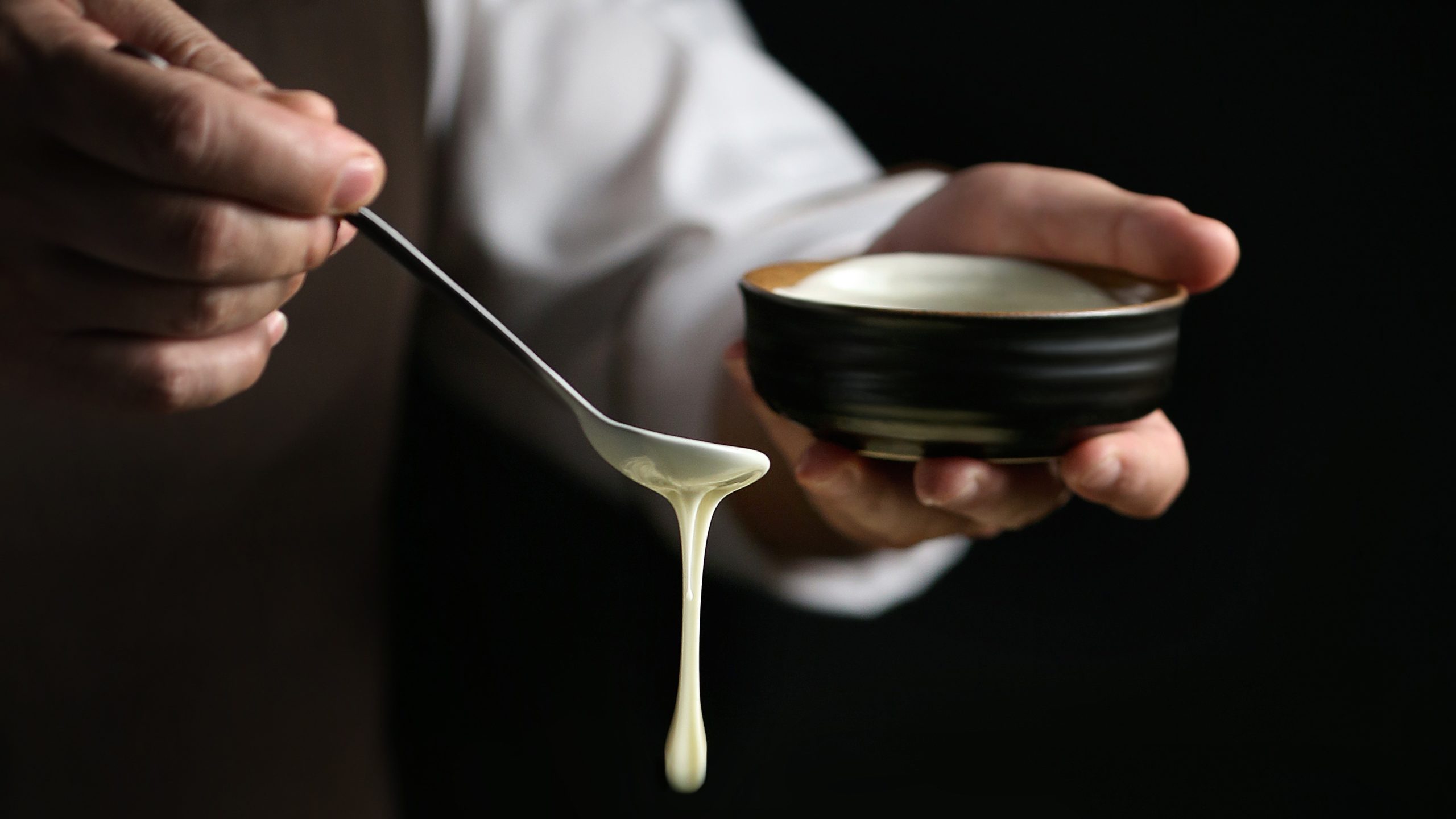
How to Make a Baking Soda Paste: Knowing this can save you money on expensive cleaning products while giving you a safe, effective solution for almost any surface in your home. Baking soda is one of the most versatile ingredients you probably already have sitting in your kitchen cabinet, and one of its best uses is as a natural, chemical-free cleaning paste, whether you’re dealing with a greasy oven, a stained sink, or grimy grout.
In this guide, we’ll walk you through how to make a baking soda paste for different cleaning needs, the right ratios to use, and simple tips for the best results every time.
Baking soda (sodium bicarbonate) is a mild alkaline compound that helps break down grease, neutralize odors, and gently scrub away stains without scratching most surfaces. When mixed with water, it forms a thick paste that clings to vertical or textured surfaces far better than baking soda alone — making it ideal for ovens, sinks, tiles, and stubborn stains.

Before you learn how to make a baking soda paste step by step, gather these simple supplies:
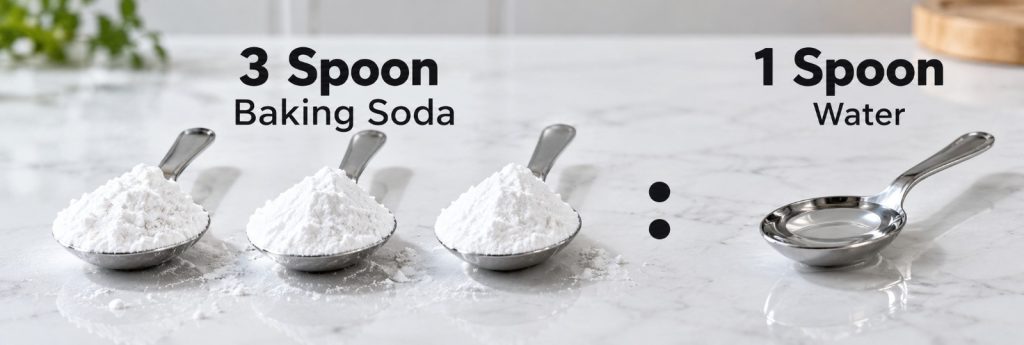
The standard ratio for how to make a baking soda paste is simple: mix three parts baking soda to one part water. For example:
Stir until you get a thick, spreadable consistency similar to toothpaste. If the paste is too runny, add more baking soda; if it’s too dry and crumbly, add a few extra drops of water.
Apply a thick layer of paste to baked-on grease and grime, let it sit overnight, then scrub and wipe clean in the morning. This is one of the most popular ways people use this method, since it avoids harsh oven-cleaning chemicals.
A thinner paste works well here — apply, let sit for 10–15 minutes, then scrub gently with a soft sponge to lift stains without scratching the surface.
Apply the paste directly onto grout lines with an old toothbrush, let it sit for 15 minutes, then scrub in small circular motions to lift dirt and mildew stains.
Apply a small amount directly onto grease or oil stains, let it absorb for 20–30 minutes, then vacuum or brush away before treating with a regular cleaning solution.
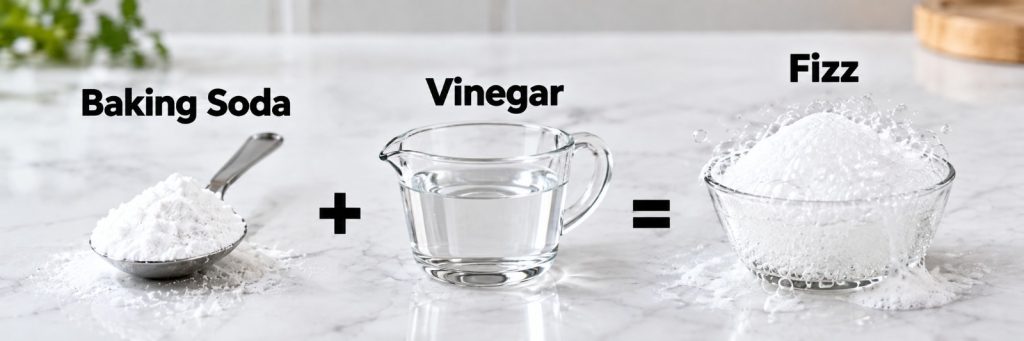
For tougher grease and grime, you can boost the basic recipe. Instead of water, mix baking soda with a small amount of white vinegar — the two will fizz slightly, which helps lift stuck-on residue. For greasy kitchen surfaces, adding a few drops of dish soap to the standard water-based paste can also improve grease-cutting power. According to this EPA guide on safer cleaning products, baking soda is widely recognized as a safe, low-toxicity alternative to many commercial cleaners.
Using too much water. A runny paste won’t cling to vertical or textured surfaces and will be far less effective at lifting stains.
Scrubbing too hard on delicate surfaces. While baking soda is gentle, aggressive scrubbing on soft materials like fabric or painted surfaces can still cause damage. Always test in a hidden spot first.
Not letting it sit long enough. Rushing the process reduces its effectiveness — the paste needs time to break down grease and grime before scrubbing.
Mixing with bleach. Never combine baking soda paste with bleach-based cleaners, as this can create harmful fumes.
A fresh batch of baking soda paste is best used within a few hours, since it can dry out or lose some effectiveness if stored too long. If you need it for multiple cleaning sessions, store any leftover paste in an airtight container and give it a quick stir before your next use — though for best results, it’s simplest to just mix a fresh batch each time.
Can I use baking soda paste on all surfaces?
Baking soda paste is generally safe for most non-porous surfaces like ceramic, glass, and sealed countertops. Avoid using it on unsealed stone, aluminum, or delicate finishes, as it can cause scratching or discoloration over time. For a closer look at surface compatibility, this Arm & Hammer baking soda usage guide is a helpful reference.
How to make paste of baking soda for tough, baked-on stains?
Use a thicker mixture (closer to 4 parts baking soda to 1 part water) and let it sit for several hours or overnight before scrubbing — the longer contact time makes a noticeable difference on stubborn buildup.
Is baking soda paste safe for kids and pets?
Yes, baking soda is non-toxic and considered one of the safer natural cleaning options for households with children or pets, though it’s still best to rinse surfaces thoroughly after cleaning.

Now that you know how to make a paste of baking soda, you have a simple, affordable, and effective solution for tackling grease, stains, and grime throughout your home. With just two basic ingredients and a little patience, this natural cleaning method can replace several harsh chemical products in your cleaning routine — saving you money while keeping your home fresh and clean.