Physical Address
304 North Cardinal St.
Dorchester Center, MA 02124
Physical Address
304 North Cardinal St.
Dorchester Center, MA 02124

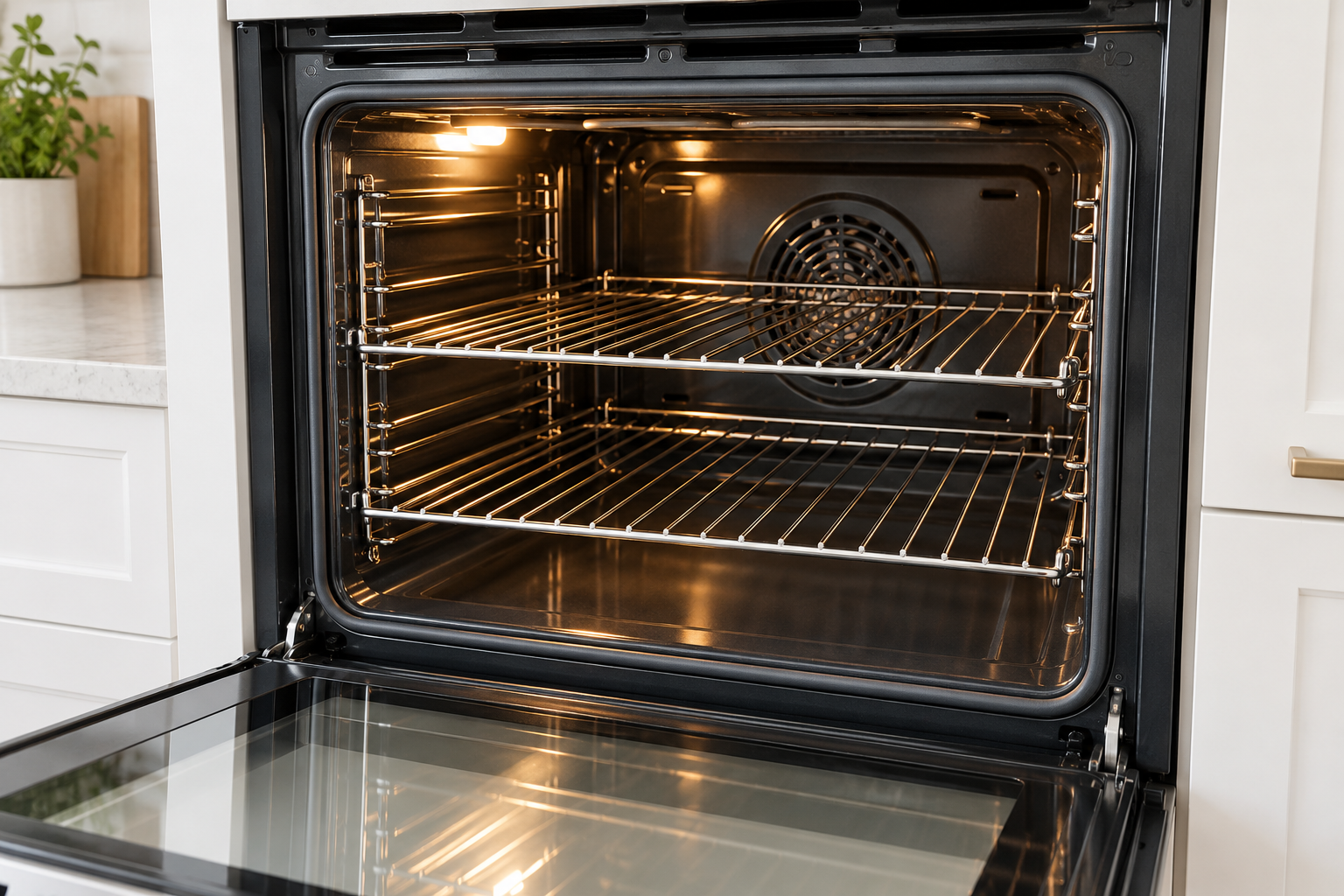

How to clean oven shelves is a question that usually comes up the moment you slide a tray out and notice a layer of brown, sticky grease baked onto the metal. Left alone, that residue smokes, smells, and can even transfer onto your food. The good news is that you do not need expensive products or hours of hard scrubbing. With baking soda, white vinegar, dish soap, and a little patience, you can bring dirty racks back to near-new condition in a single afternoon.
In this guide, you will learn three best and proven cleaning methods, the common mistakes that damage racks, and simple habits that keep your oven shelves clean for much longer time. Follow every step and get your racks cleaner.
Oven shelves sit directly in the path of splatters, drips, and rising grease. Every time you roast a chicken, bake a cheesy casserole, or cook a pizza, tiny droplets land on the bars and bake on at high temperatures. After a few rounds of heating and cooling, those droplets harden into a dark, stubborn coating that ordinary dish soap simply cannot cut through.
Dirty oven racks are more than an eyesore. Built-up grease can cause smoke and burnt odors, make your oven work harder to heat evenly, and in extreme cases, it can even catch fire. Knowing how to clean oven shelves properly is a small chore that protects both your food and your appliance.
A good rule of thumb is to clean your oven shelves every one to three months, or sooner if you notice dark buildup, smoke, or sticky bars.
Not every method suits every situation. Use this table to pick the right one before you start.
| Method | Best For | Time Needed | Effort Level |
|---|---|---|---|
| Baking soda and vinegar | Light to moderate grease | 6 to 12 hours of soaking, about 20 minutes of work | Low |
| Bathtub soak | Heavy, baked-on grease | Overnight soak, about 20 minutes of scrubbing | Low to medium |
| Commercial oven cleaner | Burnt-on, blackened grime | 30 to 60 minutes | Medium |
Gather your supplies first so you can work without interruptions. Most of these items are already in your kitchen.

Make sure the oven is completely cool, then lift out all the shelves. If the shelves feel stuck, wiggle them gently instead of forcing them, since bent racks can scratch the oven walls. Place them on a protected surface such as your bathtub, a large sink, or a covered outdoor table.
This is the safest and most popular approach because it uses simple ingredients and no harsh fumes. Baking soda works as a mild abrasive, while vinegar helps loosen grease and mineral deposits. Together, they break down light to moderate grime without damaging most rack finishes.
To make a baking soda paste in a bowl, mix about 1 cup of baking soda with 2 tablespoons of dish soap and just enough water to form a thick, spreadable paste. It should be the texture of frosting, not runny soup.
Lay the shelves flat on towels and spread the paste generously over every bar, corner, and joint. Do not worry if the paste turns brown in places. That simply means it is pulling grease out of the metal.
Leave the shelves for at least 6 hours, or overnight for heavily soiled racks. This soaking time does most of the hard work for you, so resist the urge to skip it.
Spray white vinegar over the paste. You will see it fizz as it reacts with the baking soda, which helps lift loosened grime from the surface.
Use a non-scratch sponge or soft brush to scrub along the bars, then use an old toothbrush for corners and welded joints. Rinse thoroughly with warm water until no residue remains.
Wipe each shelf with a clean towel and let it air dry before putting it back. Moisture left on the metal can lead to rust, especially on chrome-plated racks.
Safety tip: Never mix vinegar and baking soda inside a tightly sealed container, because the gas they produce can build up pressure.
When the grease is thick and baked on, a long soak is your best friend. If you would rather skip most of the scrubbing, this is the easiest answer to how to clean oven shelves that have not been touched in a year. The hot water and detergent loosen grime so it wipes away with very little effort.
If the shelves are blackened and the natural methods barely made a dent, a commercial oven cleaner may be worth using. These products are strong, so safety comes first.
Always check your oven manual first. Some rack finishes can dull or discolor when exposed to harsh chemicals, and never mix different cleaning products together.
If you would like a second opinion, MasterClass shares a helpful overview of how to clean oven racks in three different ways, including a stronger DIY paste and a commercial cleaner option. Comparing a few trusted guides can help you choose the approach that fits your racks and your schedule.
Most people learning how to clean oven shelves make the same few errors, and each one can shorten the life of your racks. Avoid these pitfalls:
Once you know how to clean oven shelves, the next step is making the job easier next time. A few small habits go a long way:
It is not recommended. Most shelves are too large to fit properly, and a dishwasher cannot remove thick, baked-on grease. The heat and strong detergent may also dull the finish. A soak with baking soda and dish soap works far better.
No. Baking soda, white vinegar, and dish soap are enough for the majority of dirty racks. A commercial cleaner is only needed for severe, blackened buildup.
Every one to three months is a good schedule for most households. Clean them sooner if you cook greasy foods often or notice smoke when the oven heats up.
Brown and dark patches are usually baked-on grease and food residue. Regular soaking and scrubbing remove most of it. Some light discoloration from heat can be permanent, but it is generally cosmetic once the racks are clean.
Yes, white vinegar is safe on most rack materials when used in moderation and rinsed away afterward. Avoid leaving it to sit for long periods on chrome-plated or specially coated racks.
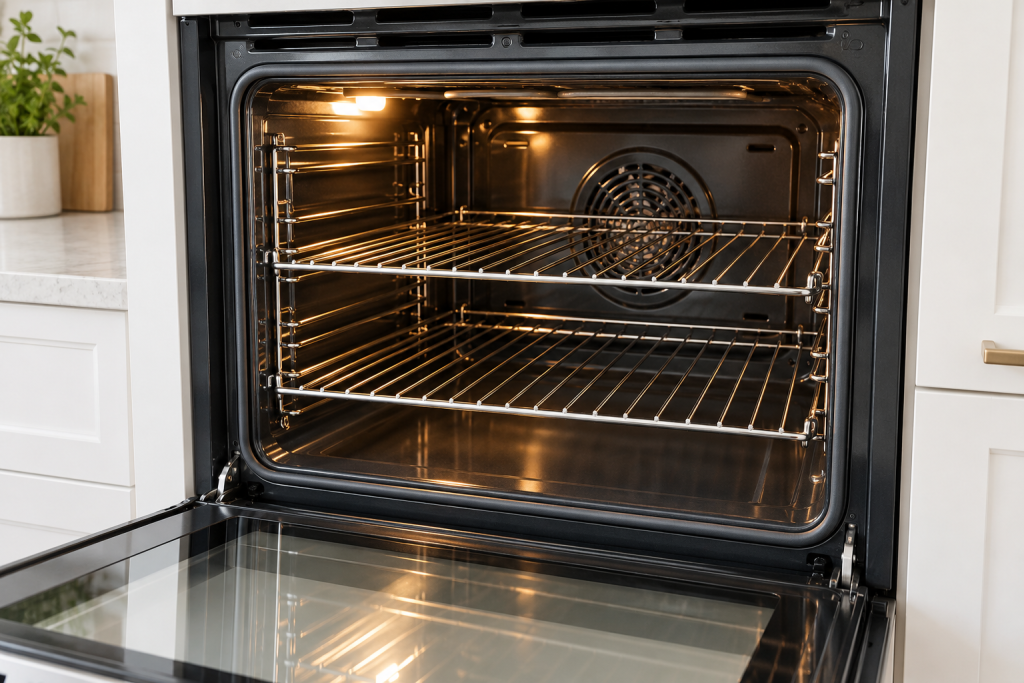
Now that you know how to clean oven shelves, you can choose the method that fits your time and the level of grime. Start with the baking soda and vinegar method for regular upkeep, switch to a bathtub soak when the grease is heavy, and keep a commercial cleaner as a last resort. Add a few simple prevention habits, and your racks will stay cleaner, your oven will run better, and your meals will taste fresher.