Physical Address
304 North Cardinal St.
Dorchester Center, MA 02124
Physical Address
304 North Cardinal St.
Dorchester Center, MA 02124

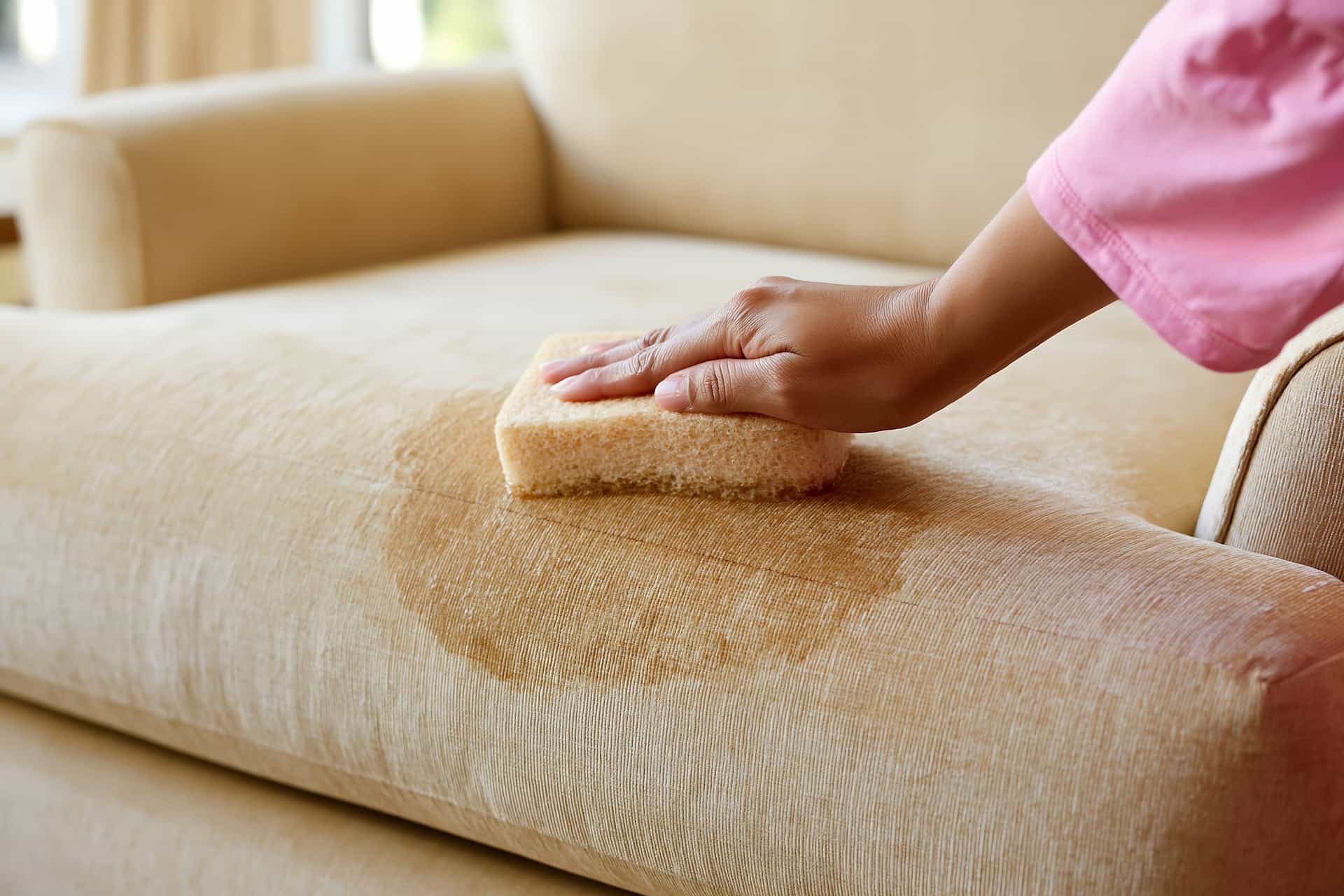
Your couch sees more daily use than almost any other piece of furniture in your home — meals, pets, kids, and everyday life all leave their mark. Over time, dust, oils, and spills build up, leaving your fabric couch looking dull and smelling less than fresh. The good news is that cleaning a fabric couch doesn’t require expensive professional services. With the right approach, you can restore it to looking (and smelling) like new using items you probably already have at home.
In this guide, we’ll walk through exactly how to clean a fabric couch step by step, how to handle different fabric types safely, and how to tackle the most stubborn stains.
Before you clean a fabric couch, check the manufacturer’s tag, usually located under a cushion or on the couch’s frame. You’ll find one of these codes (as explained in this detailed upholstery cleaning code guide):
Skipping this step is one of the most common mistakes people make, and it can lead to permanent staining or fabric damage. If there’s no tag, treat the couch as “S” (solvent-only) to be safe, or spot test in a hidden area first.
Before you learn how to clean a fabric couch step by step, gather these simple supplies:
Having everything ready before you start makes the process faster and prevents stains from setting while you search for supplies. Most of these items are things you likely already have in your kitchen or laundry room, making this a budget-friendly cleaning method compared to hiring a professional upholstery cleaner.
Now that you’ve gathered your supplies, follow these steps to clean your fabric couch thoroughly and safely.
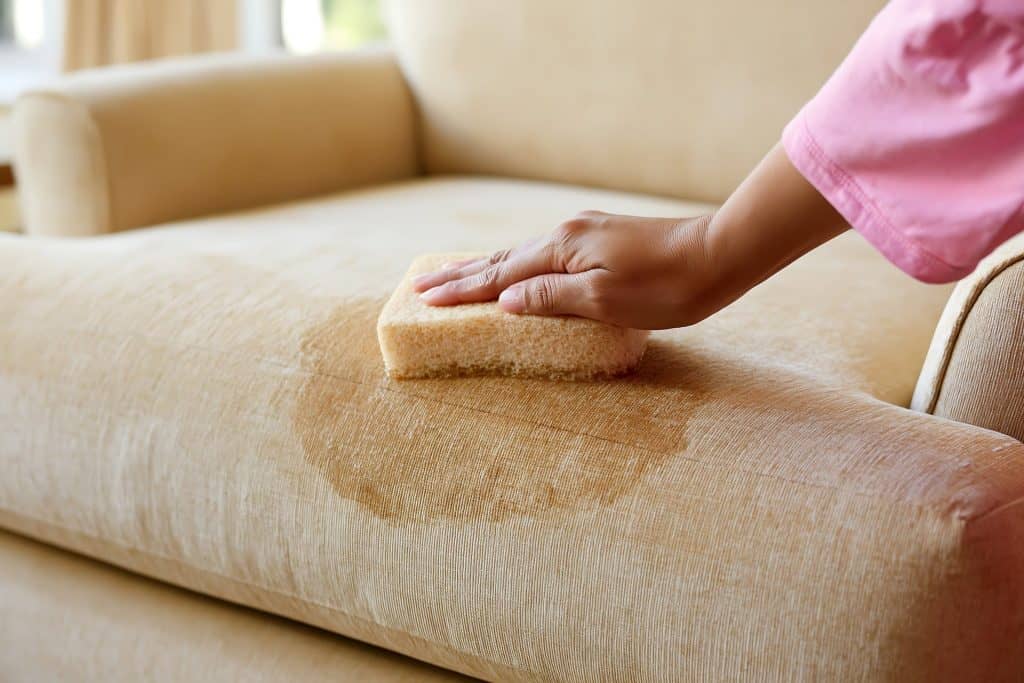
The way you clean a fabric couch changes slightly depending on the material. Here’s how to approach each type:
Usually coded “S” — use a solvent-based cleaner or plain rubbing alcohol in a spray bottle. Brush gently with a soft-bristle brush once dry to restore texture.
Typically coded “W” or “WS” — mild soap and water work well. Avoid soaking, as excess moisture can cause shrinking or watermarks.
Handle with extra care. Use a fabric-safe steamer instead of liquid cleaners where possible, and always brush in the direction of the nap. For a deeper look at care instructions by material, this fabric cleaning codes resource breaks it down further.

Blot immediately (never rub) with a clean cloth, then apply a mix of one tablespoon dish soap, one tablespoon white vinegar, and two cups warm water.
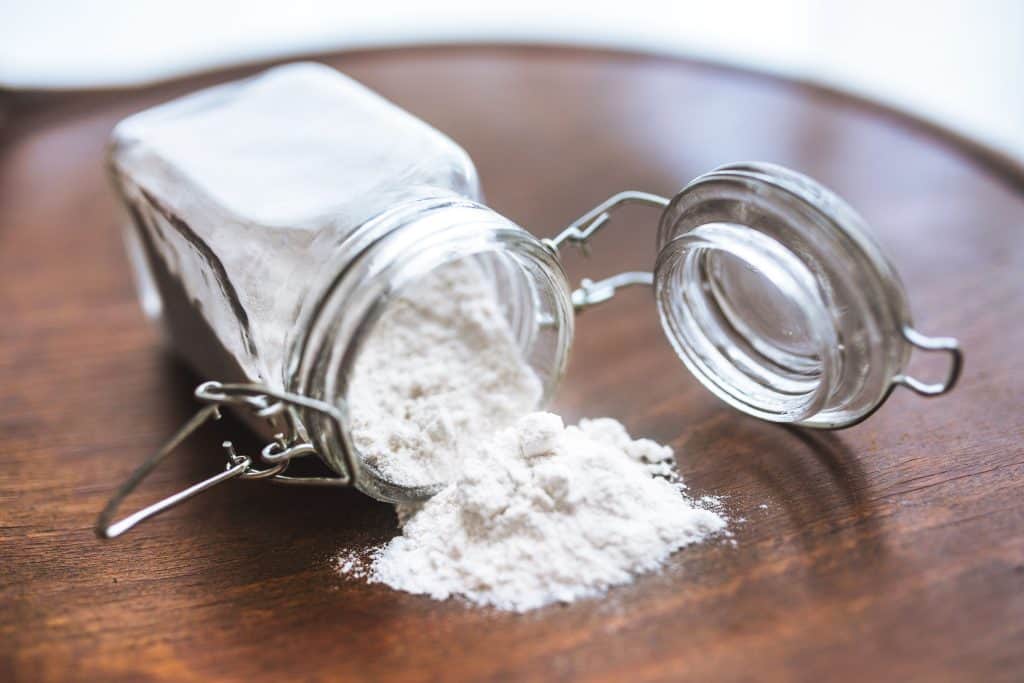
Sprinkle baking soda directly on the stain, let it sit for 15–20 minutes to absorb the oil, then vacuum and treat with your regular cleaning solution.
Blot excess moisture, then apply a mix of equal parts white vinegar and water. Once dry, sprinkle baking soda over the area, leave for a few hours, and vacuum.
Even when you know how to clean a fabric couch, it’s easy to make small mistakes that can do more harm than good. Here’s what to watch out for:
Using too much water. Over-wetting your couch can lead to mold, mildew, or watermarks that are harder to remove than the original stain. Always use a lightly dampened cloth rather than soaking the fabric directly.
Skipping the spot test. Even mild cleaners can react differently depending on dye and fabric blend. Always test in a hidden spot first, even if a product claims to be safe for all fabrics.
Rubbing instead of blotting. Rubbing a stain spreads it further into the fibers and can damage the fabric’s texture. Always blot gently from the outside of the stain toward the center.
Ignoring the manufacturer’s cleaning code. Using a water-based cleaner on an “S”-coded (solvent-only) fabric can cause permanent rings, shrinking, or discoloration.
Not letting the couch dry completely before use. Sitting on a damp couch can push moisture deeper into the cushions, leading to musty smells or mildew growth over time. Use a fan or open a window to speed up drying.
Knowing how often to clean your fabric couch depends on your household — for general upkeep, vacuum weekly and do a full clean every three to six months. Homes with pets, children, or frequent guests may benefit from cleaning every one to two months to prevent buildup and odors.
Can I use a steam cleaner on a fabric couch?
If you’re wondering how to clean a fabric couch with a steam cleaner safely, the answer depends on the fabric code. Only if it’s coded “W” or “WS” should you use steam — steam uses moisture, which can damage solvent-only (“S”) fabrics or cause shrinking and watermarking.
How do I get smells out of a fabric couch?
Sprinkle baking soda generously over the entire couch, let it sit for at least a few hours (overnight works best), then vacuum thoroughly. This naturally absorbs odors without any liquid.
Is it safe to clean a fabric couch with vinegar?
Yes, diluted white vinegar is safe for most water-safe fabrics and is especially effective for neutralizing odors and lifting mild stains.
Now that you know how to clean a fabric couch the right way, you can tackle spills and everyday dirt with confidence. Keeping your fabric couch clean doesn’t have to be complicated or expensive. With the right cleaning code, a few household ingredients, and a little patience, you can keep it looking fresh for years. Regular light maintenance goes a long way in preventing the need for deep cleaning down the line.